

Jaipur, popularly known as the Pink City, is one of India’s most fascinating destinations for travellers who love history, architecture and culture. Founded in 1727 by Maharaja Sawai Jai Singh II, the city is famous for its royal palaces, historic streets, colourful markets, traditional crafts and rich Rajasthani heritage.
While visiting famous attractions like Amer Fort, Hawa Mahal and City Palace is a wonderful way to explore Jaipur, there is another experience that helps you understand the city more closely: a heritage walk.
A heritage walk in Jaipur allows you to discover the stories behind its historic buildings, explore traditional neighbourhoods, interact with local culture and experience everyday life in the old city. From colourful bazaars and ancient temples to traditional food and handicrafts, every street has something interesting to discover.
Whether you are a first-time visitor, a history enthusiast, a photographer or a cultural traveller, this guide covers some of the best heritage walks and cultural experiences in Jaipur.
1. Why Choose a Heritage Walk in Jaipur?

A heritage walk is more than just walking from one tourist attraction to another. It is an opportunity to understand the history, architecture, traditions and lifestyle of a destination.
Jaipur is particularly suitable for heritage walks because its old city features historic gates, traditional markets, beautifully designed buildings, temples and neighbourhoods with a strong connection to Rajasthan’s cultural identity.
Here are some reasons to experience a Jaipur heritage walk:
- Explore History: Discover the stories behind Jaipur’s historic streets, monuments and traditional buildings.
- Understand Architecture: Learn about traditional Rajasthani architecture, courtyards, façades and decorative elements.
- Experience Local Culture: Observe daily life, local customs, traditional businesses and community spaces.
- Discover Traditional Markets: Explore colourful bazaars selling jewellery, textiles, handicrafts and local products.
- Enjoy Photography: Capture the city’s colourful streets, historic doors, architectural details and everyday scenes.
- Taste Local Food: Discover traditional snacks, sweets and popular Rajasthani dishes.
A guided heritage walk can also help you understand details that you might otherwise miss while exploring independently.
2. Best Heritage Walks and Areas to Explore in Jaipur
Jaipur has several historic neighbourhoods and cultural areas that are worth exploring on foot. Here are some of the best places to include in your heritage exploration.
1. Hawa Mahal and Its Surrounding Streets
Hawa Mahal is one of Jaipur’s most recognisable landmarks. Built in 1799 by Maharaja Sawai Pratap Singh, this five-storey palace is famous for its distinctive pink façade and numerous small windows.
The surrounding streets offer an interesting introduction to the old city’s architecture and atmosphere.
During your walk, you can:
- Admire the architecture of Hawa Mahal.
- Explore nearby traditional shops.
- Photograph the colourful old-city streets.
- Observe the traditional building façades.
- Discover local food and shopping areas.
The area is especially attractive for travellers who enjoy architectural photography.
2. Johari Bazaar Heritage Walk
Johari Bazaar is one of Jaipur’s most famous traditional markets. The word Johari is associated with jewellers, and the market is particularly known for jewellery, gemstones and traditional ornaments.
Walking through this market gives visitors a glimpse of Jaipur’s long-standing jewellery and trading traditions.
Things to discover:
- Traditional jewellery shops.
- Kundan and Meenakari-style jewellery.
- Colourful market architecture.
- Traditional textiles and accessories.
- Local shopping culture.
Johari Bazaar is a great place to experience the commercial and cultural energy of the Pink City.

3. Bapu Bazaar and Traditional Shopping Streets
Bapu Bazaar is a popular destination for visitors interested in Jaipur’s traditional shopping culture.
The market is known for textiles, footwear, handicrafts, souvenirs and traditional Rajasthani products.
During your walk, look out for:
- Traditional Rajasthani juttis.
- Colourful textiles and fabrics.
- Handicrafts and souvenirs.
- Traditional clothing.
- Local shops and street scenes.
It is an excellent area for travellers who want to experience Jaipur beyond its monuments.

4. Tripolia Bazaar and Traditional Craft Culture
Tripolia Bazaar is another historic market in Jaipur’s old city. It is known for traditional products, household items, textiles and local shopping.
The surrounding streets provide an opportunity to observe the city’s traditional trading environment.
Visitors can explore:
- Traditional handicraft shops.
- Lac bangles and decorative products.
- Local shopping streets.
- Historic market architecture.
- Everyday life in the old city.
A walk through Tripolia Bazaar can be particularly interesting for travellers who enjoy traditional crafts and local markets.
5. City Palace and Its Heritage Surroundings
City Palace is one of Jaipur’s most important historical attractions. Located within the old city, the palace complex showcases royal architecture, courtyards, museums and decorative gateways.
The surrounding area also offers a wonderful opportunity to understand Jaipur’s historic urban layout.
Highlights include:
- Traditional palace architecture.
- Beautiful courtyards and gateways.
- Royal heritage collections.
- Historic streets around the palace.
- Nearby markets and cultural landmarks.
Visitors should check current entry timings and ticket requirements before planning their visit.
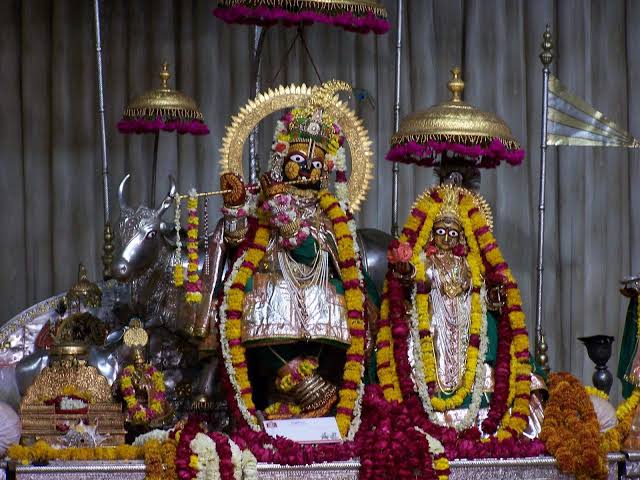
6. Govind Dev Ji Temple and the Cultural Heritage of Jaipur
Govind Dev Ji Temple is an important religious and cultural destination located within the City Palace complex area.
The temple is dedicated to Lord Krishna and attracts devotees throughout the year.
Visitors interested in Jaipur’s religious traditions can learn about:
- Local devotional practices.
- Temple architecture and traditions.
- Religious festivals.
- The cultural importance of Krishna worship in the region.
Visitors should respect temple customs, photography rules and dress expectations.
7. Panna Meena Ka Kund: Stepwell Architecture
Panna Meena Ka Kund is a historic stepwell located near Amer Fort. It is known for its symmetrical staircases and geometric architectural design.
Although it is outside the central Pink City, it can be included in a broader Jaipur heritage exploration.
Highlights include:
- Symmetrical stairway patterns.
- Traditional water architecture.
- Historic stone construction.
- Photography opportunities.
- Its connection with Jaipur’s historic water-management traditions.
Check current access rules before visiting, as visitor access may be restricted.
3. Best Cultural Experiences to Try in Jaipur
Apart from exploring historic streets and monuments, Jaipur offers many cultural experiences that help visitors understand Rajasthan’s traditions.
1. Enjoy Traditional Rajasthani Food
Food is an important part of Rajasthan’s cultural identity. Jaipur offers many opportunities to enjoy traditional dishes and local snacks.
Some popular dishes to try include:
- Dal Baati Churma.
- Gatte Ki Sabzi.
- Ker Sangri.
- Pyaaz Kachori.
- Mirchi Vada.
- Ghewar.
- Rajasthani Thali.
Trying local food is one of the easiest ways to connect with the city’s culinary traditions.
2. Explore Traditional Rajasthani Handicrafts
Jaipur is famous for its traditional arts and crafts. Local markets and craft shops offer a variety of handmade products.
Some popular crafts include:
- Blue pottery.
- Block-printed textiles.
- Lac bangles.
- Kundan and Meenakari jewellery.
- Gemstone products.
- Traditional leather footwear.
- Miniature paintings.
These crafts reflect the artistic traditions and skills passed down through generations.
3. Experience Rajasthani Folk Music and Dance
Rajasthani folk music and dance are an important part of the state’s cultural heritage.
Visitors may experience traditional performances featuring:
- Ghoomar dance.
- Kalbelia dance.
- Traditional folk songs.
- Rajasthani musical instruments.
- Local storytelling traditions.
Some cultural performances are organised at heritage venues, hotels and cultural centres. Check the schedule and availability before visiting.
4. Discover Jaipur’s Traditional Architecture
Jaipur’s architecture reflects a combination of Rajput, Mughal and other regional influences.
While exploring the city, notice the details that make its buildings distinctive:
- Pink and terracotta-coloured façades.
- Decorative balconies and windows.
- Traditional courtyards.
- Ornamental doorways.
- Chhatris and domed structures.
- Intricate stone and plasterwork.
A heritage walk is an excellent way to observe these architectural details at a comfortable pace.
5. Visit Local Art and Craft Workshops
Jaipur has a long tradition of textile printing, pottery, jewellery making and handicraft production.
Depending on availability, visitors can explore workshops or demonstrations to understand how traditional products are made.
Interesting craft experiences may include:
- Block printing demonstrations.
- Blue pottery making.
- Jewellery craftsmanship.
- Traditional textile techniques.
- Handmade decorative products.
If you plan to visit a workshop, confirm whether advance booking is required and whether demonstrations or hands-on activities are available.
4. Best Time for a Heritage Walk in Jaipur
The best time for a heritage walk in Jaipur is generally during the cooler months, from October to March.
During this period, outdoor exploration is usually more comfortable than during the peak summer months.
Seasonal Travel Guide
October to March
This is generally the most comfortable season for walking tours and outdoor sightseeing. Pleasant daytime weather makes it easier to explore historic streets and markets.
April to June
Summer temperatures can be high, especially during the afternoon. If you plan a heritage walk, choose an early morning time and carry water, sun protection and comfortable clothing.
July to September
The monsoon season can bring occasional rain and humid conditions. The city may look especially attractive after rainfall, but check the weather before planning an outdoor walk.
Best Time of Day
- Early Morning: Enjoy quieter streets, comfortable temperatures and opportunities to observe local morning activities.
- Late Afternoon: Explore markets and historic areas in softer daylight.
- Evening: Experience the atmosphere of selected markets and food areas, depending on opening hours and local conditions.
For photography and comfortable walking, early morning is often a good choice.
5. Suggested Jaipur Heritage Walk Itinerary
If you have limited time, you can explore some of Jaipur’s historic areas through a half-day walking itinerary.
Half-Day Old City Heritage Walk
Start: Hawa Mahal
Begin your exploration near Hawa Mahal and admire its iconic façade.
Stop 2: City Palace Surroundings
Explore the historic streets around City Palace and discover the architecture of the old city.
Stop 3: Johari Bazaar
Walk through the famous jewellery market and explore traditional shops.
Stop 4: Bapu Bazaar
Discover textiles, footwear, handicrafts and local shopping culture.
Stop 5: Tripolia Bazaar
Explore traditional market streets and observe Jaipur’s local trading culture.
End: Local Food Experience
Finish your walk by enjoying traditional Rajasthani food or popular Jaipur street snacks.
This is a suggested route rather than a fixed guided-tour schedule. Actual walking time depends on your pace, shopping stops, traffic and access to individual attractions.
6. Tips for Enjoying a Jaipur Heritage Walk
A little planning can make your heritage walk more comfortable and enjoyable.
- Wear Comfortable Shoes: Old-city exploration involves walking through busy streets and market areas.
- Start Early: Morning walks are often more comfortable, especially during warmer months.
- Carry Drinking Water: Stay hydrated while exploring.
- Respect Local Customs: Be considerate when visiting temples, religious spaces and residential neighbourhoods.
- Ask Before Taking Photographs: Some people, shops and private properties may not permit photography.
- Keep Small Cash: Useful for local purchases and small food stops.
- Check Opening Hours: Museums, monuments and cultural attractions may have different timings and entry rules.
- Consider a Local Guide: A knowledgeable guide can explain the history and stories behind places you visit.
7. Why Choose a Guided Heritage Walk in Jaipur?
Exploring Jaipur independently can be enjoyable, but a guided heritage walk can add more meaning to your experience.
A local guide may help you discover historical details, cultural traditions and interesting stories that are not immediately visible to visitors.
Benefits of a guided heritage walk include:
- Better understanding of Jaipur’s history.
- Insights into traditional architecture.
- Discovering local markets and neighbourhoods.
- Learning about Rajasthani customs and traditions.
- Exploring selected locations with a planned route.
- Getting local recommendations for food and shopping.
Before booking, confirm the route, duration, language, inclusions, meeting point and group size with the tour operator.
8. Heritage Walks vs Regular Sightseeing Tours: What’s the Difference?
Both experiences help you explore Jaipur, but they offer different perspectives.
| Heritage Walk | Regular Sightseeing Tour |
|---|---|
| Focuses on historic streets and neighbourhoods | Focuses on major tourist attractions |
| Usually involves walking | Often involves road travel between locations |
| Explores local culture and everyday life | Covers popular monuments and landmarks |
| Offers closer observation of architecture | Covers a wider geographical area |
| Can include markets and local experiences | Often follows a fixed sightseeing itinerary |
If you want to understand the city’s local culture and historic character, a heritage walk is a great option. If you want to visit several major attractions in limited time, a sightseeing tour may be more suitable.
9. Frequently Asked Questions About Heritage Walks in Jaipur
1. What is the best heritage walk in Jaipur?
The old-city area around Hawa Mahal, City Palace, Johari Bazaar, Bapu Bazaar and Tripolia Bazaar is a good starting point for exploring Jaipur’s architecture, markets and cultural heritage.
2. How long does a Jaipur heritage walk take?
A short heritage walk may take around 2–3 hours, while a more detailed exploration can take half a day or longer. The duration depends on the route and stops.
3. Is Jaipur suitable for walking tours?
Yes. Several historic areas and traditional markets are interesting to explore on foot. However, old-city streets can be busy, so visitors should remain aware of traffic and local conditions.
4. What should I wear for a heritage walk in Jaipur?
Wear comfortable walking shoes and light, weather-appropriate clothing. When visiting religious places, follow the local dress and entry guidelines.
5. Can I explore Jaipur’s old city without a guide?
Yes. You can explore many public streets and markets independently. However, a local guide can provide additional historical and cultural information.
6. Which is the best season for a Jaipur heritage walk?
October to March is generally the most comfortable period for outdoor walking experiences because temperatures are usually more pleasant.
7. Are Jaipur heritage walks suitable for families?
Yes. Families can enjoy exploring historic streets, traditional markets and cultural attractions. Consider the walking distance, weather and accessibility requirements when planning.
8. Can I combine a heritage walk with Jaipur sightseeing?
Yes. You can combine an old-city heritage walk with visits to major attractions such as Hawa Mahal, City Palace and Jantar Mantar, subject to available time and entry schedules.
Explore Jaipur’s Heritage with Unmap Adventure
Jaipur is more than a city of forts and palaces. Its historic streets, traditional markets, local crafts, food and cultural traditions make it a destination worth exploring slowly.
A heritage walk gives you the opportunity to experience the Pink City beyond its famous landmarks and discover the stories that make Jaipur special.
Whether you want to explore the old city, understand traditional architecture, discover local markets or experience Rajasthani culture, Jaipur offers something memorable for every curious traveller.
Discover Jaipur differently with Unmap Adventure.
Prefer a guided experience? Join our Jaipur Heritage Cycling Tour through the old city, the Jaipur Photography Tour of the Pink City, or the Great Wall of Amer heritage hike.
Plan your next Rajasthan experience with us:
Explore Beyond the Maps.